


The Walking Dead: Survivors
4.538.45K Reviews
App Specs
- Version
- 8.8.1
- Updated On
- License
- Free
- Downloads
- 10,000,000+
- Developer
- Galaxy Play Technology Limited
- Categories
- Strategy
- Platform
- Android, iOS
Screenshots

 Analysis by AppCompare
Ever wondered what it would be like to survive in a post-apocalyptic world crawling with walkers? Well, I recently got my hands on The Walking Dead: Survivors, a strategy game available on both Android and iOS, and let me tell you, it’s a wild ride.
Before You Settle In
My first practical advice is to approach this as a game that rewards steady attention, not a quick download-and-forget experience. The central loop asks you to build a community, keep its needs in view, and prepare for threats. That gives each visit a clear purpose, but it also means the experience can feel demanding if you want a game that is easy to pause indefinitely and pick up without checking what has changed.
On a normal day, I would treat a short session as a chance to review the settlement and choose one useful next step rather than trying to complete everything at once. Before closing the game, I’d make sure I had a clear priority for my next visit: continue improving the community, handle a defensive need, or check in on the social side. That small habit makes the ongoing management easier to follow and stops the game from feeling like a jumble of unrelated tasks.
Where New Players Can Get Stuck
The early challenge is not simply learning how to deal with walkers. It is keeping several kinds of progress in balance. Building, resources, survivors, and defense all compete for attention, and it is tempting to chase whichever activity looks most urgent. I found that choosing a single bottleneck first is more useful than spreading effort thinly: if the settlement’s development is holding me back, I focus there; if danger is the concern, defense gets priority.
That approach matters especially when the game introduces social play. Alliances and competition change the feel from a self-contained settlement builder to a world where other players matter. If you prefer to learn every system alone before interacting, this shift may take some adjustment. I’d explore the basics at a comfortable pace and take time to understand what a group expects before treating alliance participation as another box to tick.
Setup Checks That Save Frustration
The game is free to download, but it includes optional purchases priced from $0.99 to $249.99 per item. I’d decide in advance whether I’m comfortable spending anything, because convenience purchases can be appealing when progress feels slow. A useful personal rule is to judge a purchase by whether it adds enjoyment, not by whether it promises to remove every wait. The game can be played without paying, while spending may make faster progress more tempting.
It is also worth checking that your device can run the current release before settling in. The Walking Dead: Survivors is at version 7.32.0 and requires Android 7.1 or later on Android; it is also available on iOS. If an install or launch goes wrong, I’d first check the ordinary basics: available device storage, a stable connection, and whether the download has finished. These checks are more useful than repeatedly tapping a stalled screen, and they do not require assuming that a game feature is broken.
Worth Reading Before You Choose

EA SPORTS FC Mobile 26 Is a Bigger Football Game, but It Takes Time

Flipboard Shows What News Apps Must Do Beyond the Feed

Switching to Android Auto Means Rethinking Your Driving Routine

Google Calendar Makes a Crowded Week Easier to Manage

Ludo King Makes the Most of the Minutes Between Plans

Baby Panda World Brings Quick Play to Modern Phones, but Its Game Library Feels Busy
Recovering Your Routine
Because the game’s appeal comes from continued settlement development, returning after a break can make it harder to remember what mattered last time. I find it helpful to reorient before spending resources: look at the current state of the community, identify the next practical goal, and then commit to it. This is a better recovery routine than immediately starting several upgrades or activities just because they are visible.
For a realistic everyday example, imagine opening the game during a short break between errands. Rather than trying to manage every part of the settlement, I’d check whether a pressing defensive or building task needs attention, make one deliberate choice, and leave the larger planning for a longer session. That keeps a quick visit satisfying without turning the game into a constant obligation. Players who enjoy checking in regularly may appreciate this rhythm; people who want a complete, self-contained session every time may find the ongoing nature less appealing.
When a Problem May Be Elsewhere
Not every interruption points to a problem with the game itself. If play feels slow or a screen does not respond as expected, I would first distinguish between a deliberate wait, a weak connection, and a genuine app issue. Closing and reopening the game, checking the connection, and confirming that the app is up to date are sensible general steps. If the same problem continues, noting what was happening when it began can make any later troubleshooting more focused.
There is also a difference between friction and failure. A strategy game built around growth and competition can make progress feel gradual, particularly if you are comparing your settlement with more established players. That does not automatically mean something is malfunctioning. I would give myself a small, achievable objective and judge the game by whether its planning remains enjoyable, rather than treating every slower stretch as a reason to spend or abandon the settlement.
First impressions still count, and I was drawn into the world once I understood how its pieces fit together. Galaxy Play Technology Limited develops the game, which has a 4.6 average from around 1.2 million ratings and more than 10 million installs. Those figures point to a large audience, but they do not guarantee that its ongoing strategy-and-community format will suit everyone.
Living With the Settlement
I find that living with this settlement is less about making one perfect plan and more about returning with a clear next move. The useful habit is to decide what deserves attention before spending resources, especially when a quick check-in is all the time I have. That steady rhythm also makes it easier to tell whether the game’s ongoing demands suit me, which is where the day-to-day experience becomes more revealing.
First Impressions
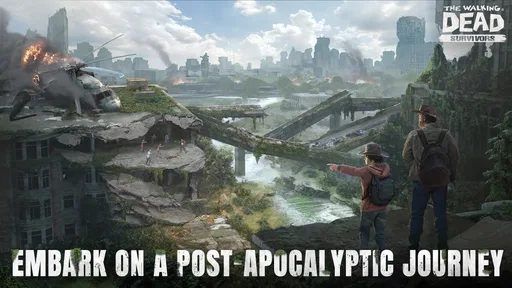
From the moment I launched the app, I was drawn into its intense atmosphere. The game cleverly uses familiar characters from the series, which made me feel right at home. You start by building a community that can withstand the hordes of walkers, and I found myself immediately engrossed in strategizing to keep everyone alive.
Gameplay Mechanics
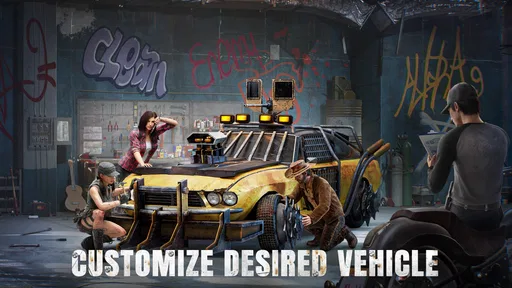
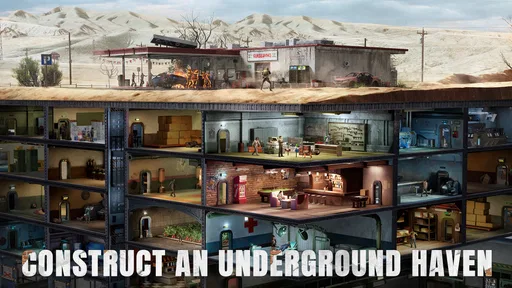
What really stands out in The Walking Dead: Survivors is its combination of tower defense and strategy elements. As you progress, you need to construct and upgrade buildings, manage resources, and train survivors to fend off walker attacks. It’s a bit like juggling chainsaws, but in a good way! The balance between building your settlement and defending it kept me on my toes.
The game also features PvP elements where you can team up or compete with other players. I had a blast raiding other settlements, but it’s not all about brute force. Diplomacy and alliances play a big part, which adds a layer of depth I didn’t expect.
That mix is where it differs from a simpler tower-defense game. In a conventional defense-focused alternative, I might expect the main satisfaction to come from arranging defenses and responding to waves. Here, I also have to think about the settlement beyond a single encounter and about how interactions with other players affect my plans. That broader scope is a strength for someone who likes long-term decisions, but it can be a poor fit if all you want is a brief, self-contained battle.
One practical trade-off is that competitive play can make the pace feel less under your control. I would not recommend rushing into a rivalry just because raiding is available; first work out whether you enjoy the social and strategic side as much as the defensive one. If you mainly want a relaxed solo puzzle, a traditional single-player strategy game is likely a better match.
Characters and Storyline
Meeting characters like Rick, Michonne, and others from the TV series was a real treat. Each character brings unique skills and abilities to your team, and I loved experimenting with different combinations to see what worked best against the zombie hordes. The storyline isn’t just a backdrop; it’s woven into the gameplay, making each mission feel like an episode of the show.
For fans, recognizable characters add a welcome emotional hook, but I would still approach team choices as part of the strategy rather than assuming a favorite character will automatically be the right answer for every situation. Trying different combinations is a useful way to learn what supports your own approach. It also helps keep character management from becoming a purely collectible exercise.
Visuals and Sound
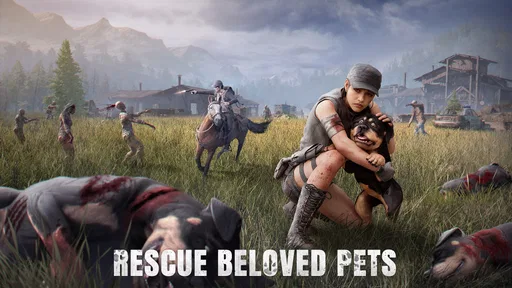
The graphics are quite detailed, and the game does a great job of capturing the gritty vibe of the series. The animations are smooth, and the walker designs are delightfully gruesome. The sound design is equally impressive, with eerie background music and the occasional growl of a walker that kept me on edge.
The Teen content rating is worth keeping in mind when deciding whether it is suitable for a younger player. The grim subject matter and walker imagery are part of the appeal for me, but they may not be comfortable for everyone. I would also consider whether the player enjoys management and competition, not just whether they recognize the series.
In-App Purchases and Monetization
Like many free-to-play games, The Walking Dead: Survivors offers in-app purchases. While you can play without spending money, buying resources or speed-ups can enhance the experience. I found the monetization to be fair, and I appreciated that I didn’t feel pressured to spend. However, for those who prefer faster progression, a little investment might be tempting.
My advice is to set a spending boundary before a slow moment arrives, rather than deciding while impatient for progress. The wide range of item prices means that “free” describes the download, not every possible way to play. If avoiding purchases is important to you, keeping that boundary clear makes it easier to enjoy the strategy without turning each delay into a spending decision.
Replayability and Longevity
With frequent updates and events, there’s always something new to tackle. The game offers plenty of replayability, and I often found myself logging back in just to see what changes had occurred in my absence. The competitive element keeps things fresh, and the community aspect encourages long-term engagement.
That lasting structure is best for players who like gradual progress and ongoing goals. If you want a story game with a definite ending, or a strategy title that gives you the same complete experience in a single sitting, this is not the option I’d choose. On the other hand, a fan who enjoys checking in, improving a settlement, and coordinating with others has more reasons to return than a player looking only for another short zombie encounter.
Who I’d Recommend It To
I’d recommend it most to fans of The Walking Dead who also enjoy planning, resource management, and player interaction. The appeal is not just recognizing familiar faces; it is watching a community take shape while weighing what to improve and how to respond to threats. The game suits someone who can enjoy measured progress and is willing to learn several connected systems rather than expecting the tutorial to explain every strategic choice at once.
I would steer away if you dislike persistent competition, prefer games that do not ask for regular check-ins, or want a pure action experience with little settlement management. It is also a less natural fit for someone who wants to avoid optional spending prompts entirely, even though paying is not required to play. In those cases, a focused single-player strategy or action game may be more satisfying.
Final Thoughts
If you’re a fan of the series or just enjoy strategy games, The Walking Dead: Survivors is definitely worth checking out. It’s not just about fighting walkers; it’s about building a thriving community in a world where everything wants to eat you. The balance of strategy, character management, and survival tactics makes it a compelling experience.
So, if you’re ready to dive into this zombie-infested world, you can download the game from your app store of choice and start your journey. Just remember, in the world of The Walking Dead, survival isn’t just a goal—it’s a way of life.
Pros
- Engaging storyline with familiar characters.
- Impressive graphics and sound effects.
- Strategic gameplay with base-building elements.
- Regular updates and new content.
- Interactive community and alliances.
Cons
- Requires constant internet connection.
- In-app purchases can be expensive.
- Progress can be slow without spending.
- May drain battery quickly.
- Some tasks become repetitive.
FAQs for The Walking Dead: Survivors
What type of game is The Walking Dead: Survivors?
The Walking Dead: Survivors is a strategy game that combines elements of survival and resource management. Players must build and fortify their own settlements, recruit survivors, and defend against zombie hordes. The game is set in the iconic Walking Dead universe, providing an immersive experience for fans and newcomers alike.
Is The Walking Dead: Survivors free to play?
Yes, The Walking Dead: Survivors is free to download and play on both Android and iOS platforms. However, the game includes in-app purchases that allow players to buy resources, speed up progress, or unlock special characters. These purchases are optional, and the game can be enjoyed without spending money.
What are the main features of The Walking Dead: Survivors?
The game features a rich storyline set in the Walking Dead universe, a robust character recruitment system, and various strategic elements like base-building and resource management. Players can also form alliances with others, participate in PvP battles, and defend their settlements against waves of zombies. Regular updates provide new content and events.
How does the multiplayer aspect work in The Walking Dead: Survivors?
The multiplayer component allows players to form alliances with others, which is crucial for survival. Alliances can work together to complete objectives, share resources, and defend against larger threats. Communication and cooperation are key, as players must strategize to protect their settlements and expand their territories.
What are the system requirements for The Walking Dead: Survivors?
For Android devices, The Walking Dead: Survivors typically requires Android 4.4 and up, while iOS devices need iOS 9.0 or later. The game is optimized for both smartphones and tablets. It is recommended to have a stable internet connection for the best gameplay experience, especially for multiplayer interactions.


